Trauma is not just a memory of a difficult event that happened in the past. It is the stored imprint of that event left behind in our body and nervous system. When we experience something overwhelming, and our system cannot fully process it, that survival energy gets locked in our bodies. Years later, we may find ourselves reacting to everyday situations as if we are still in danger.
Living with unresolved trauma can feel like carrying a constant, unseen threat. You might experience sudden bursts of anger, a persistent feeling of numbness, difficulty trusting others, or a baseline of anxiety that never seems to drop. It is exhausting, and it can leave you feeling deeply disconnected from yourself.
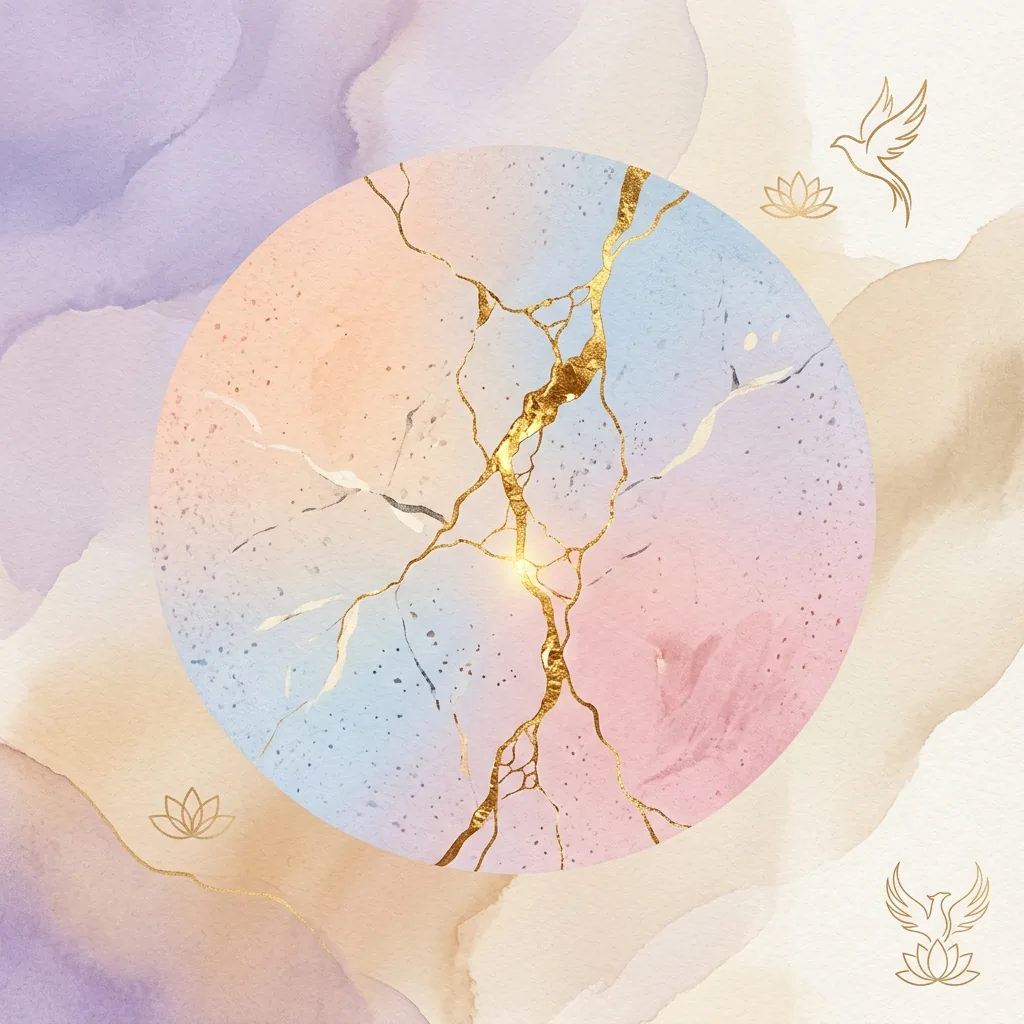
"Healing from trauma is like the art of Kintsugi — mending broken pottery with gold. Your cracks are not something to hide; they are the places where your story of strength is written."
How Trauma Impact the Body
When a threat is too intense, our brain bypasses our logical mind and triggers primitive survival states: fight, flight, or freeze. If we cannot fight or run, our system shuts down (freeze) to protect us. Unresolved trauma means your nervous system has remained stuck in one of these survival states:
- Hypervigilance (Fight/Flight): Always waiting for the other shoe to drop, easily startled, sleeping lightly, and feeling constantly tense.
- Hypoarousal (Freeze): Feeling emotionally flat, numb, disconnected from your body, or unable to find the energy to complete basic tasks.
Gentle Steps to Healing
Healing from trauma cannot be rushed. It requires a gentle, respectful pace that honors your limits. Here are the core foundations of processing trauma safely:
1. Building a Safe Container: Before we look at difficult memories, we must build a sense of safety in the present. This involves identifying grounding practices, comforting spaces, and trusted relationships that tell your system, "You are safe right now."
2. Somatic Awareness: Because trauma is stored in the body, we work on noticing physical sensations (tightness, warmth, breathing patterns) in a slow, controlled way. This is called titration — processing small bits of energy at a time so you do not feel flooded.
3. Rewriting the Stored Narrative: Slowly, we help your brain and body understand that the event is over. You survived, and you are here now. This helps release the locked survival energy so your system can return to baseline.
You Are Not Broken
It is important to remember that your reactions to trauma are not signs of weakness. They are proof of your system's incredible intelligence in helping you survive. Healing is not about erasing your past; it is about mending your relationship with yourself so the past no longer controls your present.
If you are ready to begin the gentle journey of processing past experiences in a safe, compassionate, and self-paced environment, I am here to walk alongside you. Reach out today to connect.